Virtual Staging Styles: A Guide to What Sells in 2026
Explore the best virtual staging interior design styles for real estate. Learn how to match styles like Scandinavian or Japandi to your property and sell
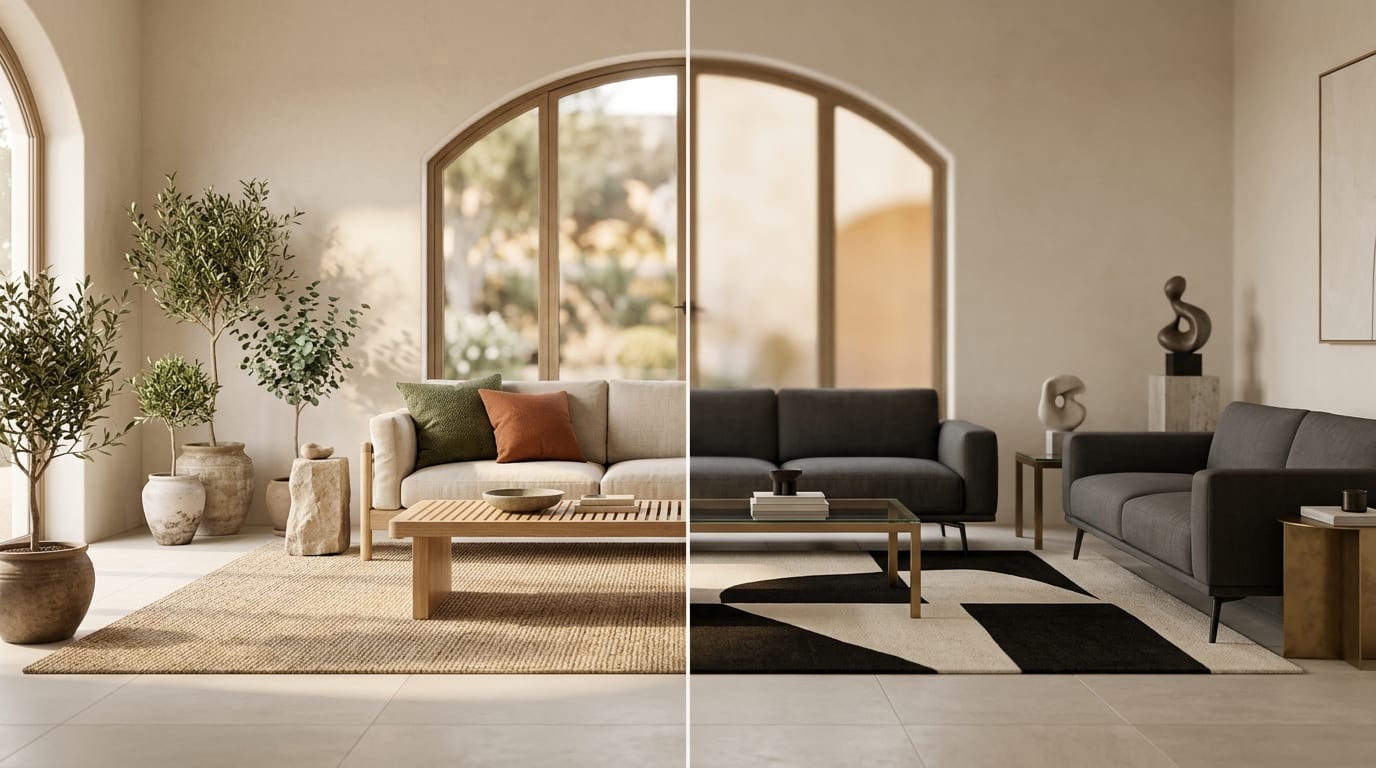
Choosing the wrong interior design style for your virtual staging is like showing a property in the dark—it hides the potential and deters qualified buyers. The solution is a strategic framework that matches the right aesthetic to the property's architecture and target demographic, accelerating your sales cycle.
This guide provides a data-backed playbook for selecting high-performing virtual staging interior design styles, ensuring your listings resonate with buyers and command top market value.
Why Generic Staging Fails
Applying a one-size-fits-all "modern" style to every listing is a critical mistake. A historic city-center flat has different architectural bones and attracts a different buyer than a new-build suburban home. When the staging style clashes with the property's innate character, it creates a disconnect that buyers can feel, even if they can't articulate why.
Effective virtual staging isn't just about adding furniture; it's about selling a vision. The right style helps a buyer mentally move in, connecting the space's potential with their personal aspirations. A mismatched style does the opposite, creating friction and doubt.
The Framework for Choosing a High-Converting Style
Use this three-step process to move beyond guesswork and make data-informed staging decisions that convert viewers into offers.
Step 1: Analyze the Property's Architecture
Look at the non-negotiable elements of the space. These are your architectural anchors. The staging must complement, not compete with, them.
- Windows & Light: Large, expansive windows? Lean into styles that emphasize light and space, like Scandinavian or Minimalist.
- Flooring & Walls: Exposed brick walls call for Industrial or Rustic. Warm hardwood floors work well with Mid-Century Modern or Modern Farmhouse.
- Fixtures & Finishes: Sleek, modern kitchen hardware? A Contemporary style will feel cohesive. Period details? Consider a Transitional or Classic style.
Step 2: Define the Target Buyer Profile
Who is the most likely buyer for this property in this location and price range? Tailor the aesthetic to their lifestyle.
- Young Professionals: Often prefer clean, functional, and uncluttered spaces. Think Minimalist, Industrial, or Scandinavian.
- Growing Families: Value comfort, durability, and a sense of warmth. Modern Farmhouse, Scandinavian, and Transitional styles resonate well.
- Luxury Buyers: Expect sophistication, high-end materials, and a curated feel. Japandi, Contemporary, and high-end Minimalist designs are effective.
Step 3: Match the Style to the Vision
With your analysis complete, select a style that bridges the property's features with the buyer's aspirations. This is where you leverage an AI staging style guide to execute the vision perfectly.
For example, an urban loft with exposed brick (architecture) targeting a young professional (buyer) is a perfect candidate for an Industrial style. A countryside home with large windows and wood beams (architecture) targeting a family (buyer) is ideal for Modern Farmhouse.
Top Virtual Staging Interior Design Styles Compared
Use this table as a quick reference for matching the most popular and effective styles to your next listing. This is the core of any effective AI staging style guide.
| Style | Key Characteristics | Best For Property Type | Target Buyer Persona |
|---|---|---|---|
| Scandinavian | Light wood, neutral palettes (whites, greys), cozy textiles, clean lines, functional simplicity (hygge). | Apartments, new builds, homes with good natural light. | Young professionals, small families, minimalists. |
| Minimalist | Highly curated, uncluttered, monochromatic, focus on form and function, "less is more" philosophy. | Modern apartments, architectural homes, smaller spaces. | Design-conscious individuals, urban dwellers. |
| Japandi | Hybrid of Japanese and Scandinavian. Natural materials, muted colors, craftsmanship, functional minimalism with warmth. | High-end homes, properties with architectural interest. | Luxury buyers, wellness-focused individuals. |
| Mid-Century Modern | Organic shapes, clean lines, wood tones (teak, walnut), iconic furniture pieces, pops of color. | Homes built 1940s-1970s, properties with large windows. | Design enthusiasts, buyers seeking character. |
| Modern Farmhouse | Rustic elements (wood beams) with modern comforts (neutral colors, sleek lines), cozy and inviting. | Suburban homes, countryside properties, family homes. | Families, buyers seeking a comfortable, timeless feel. |
| Industrial | Exposed brick, metal accents (steel, iron), raw materials, open-concept layouts, neutral color schemes. | Lofts, warehouse conversions, urban apartments. | Young professionals, creatives, buyers seeking an edgy vibe. |
Putting Your Style Choice into Action
Once you've selected the perfect style, execution is key. Traditional virtual staging can be slow and expensive, with designers charging €15-€40 per photo and taking days to deliver. This is where AI-powered platforms change the game.
With GetRestage, you can apply any of these styles to an empty room in under 30 seconds. Simply upload your photo, select a style like "Scandinavian" or "Japandi," and generate multiple high-resolution options instantly. This allows you to test different looks and perfect your listing's visual strategy without the high cost or long wait. With credit-based plans starting at just €12/month, the effective cost is often just €0.36-€0.48 per image.
Frequently Asked Questions
What is the most popular virtual staging style?
Scandinavian and Modern Farmhouse remain consistently popular across many markets due to their broad appeal, brightness, and inviting feel. However, the best style is always the one that best suits the specific property and its target buyer, not just the most popular one.
Can AI virtually stage in any interior design style?
Yes. Modern AI platforms like GetRestage offer a comprehensive library of virtual staging interior design styles, from Minimalist and Industrial to Coastal and Japandi. This allows you to precisely match the staging to your strategic analysis for any type of property, ensuring a cohesive and appealing result.
How do I choose a virtual staging style for a luxury property?
For luxury listings, focus on sophistication and curated simplicity. Styles like Japandi, which emphasizes craftsmanship and natural materials, or a high-end Contemporary look with bespoke furniture pieces, work exceptionally well. The goal is to evoke a sense of elevated living and exclusivity.
Next Steps
Stop guessing which design trends will attract buyers. By using a strategic framework—analyzing architecture, defining the buyer, and selecting a complementary style—you create listings that sell a compelling vision, not just an empty space. This data-driven approach gives you a distinct competitive advantage.
Ready to implement these styles instantly? Sign up for GetRestage and transform your empty listings into beautifully staged homes in seconds.
Next step
Stage your next listing with Restage.